Trash in the water
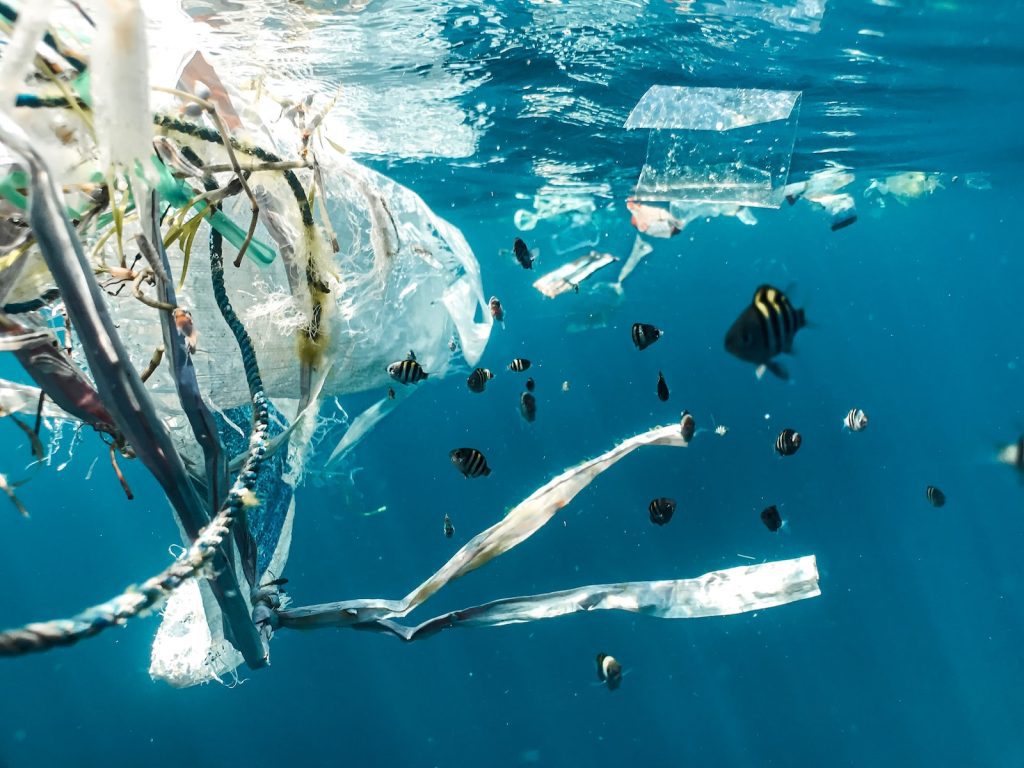
In Baltimore, trash in our streams and along shorelines is a highly visible source of water pollution.
Caused by illegal dumping and littering, debris in our streams is more than an eyesore. Trash in our waterways can be harmful to our health, the environment, and our local economy.
Trash in water
Healthy neighborhoods must be clean
Because trash is so visible, many civic groups and community associations are working hard to remedy the problem. Blue Water Baltimore works side by side with them to fight the pollution caused by bottles, bags, foam containers, and other trash in our streets and streams. Our work includes outreach, education, and partnerships to focus on preventing the trash from entering the water in the first place.
Baltimore has long wrestled with how to stop the flow of trash into our waterways. Our efforts at Blue Water Baltimore aim to address sanitation problems such as the improper disposal of household waste, illegal dumping, trash on the shores, and storm drain awareness.
Solutions to reduce trash in our water
Our focus is on addressing both the systemic issues with local sanitation as well as the individual behavior change necessary to achieve the livable neighborhoods and clean waterways that all of Baltimore’s communities desire.
Speak out
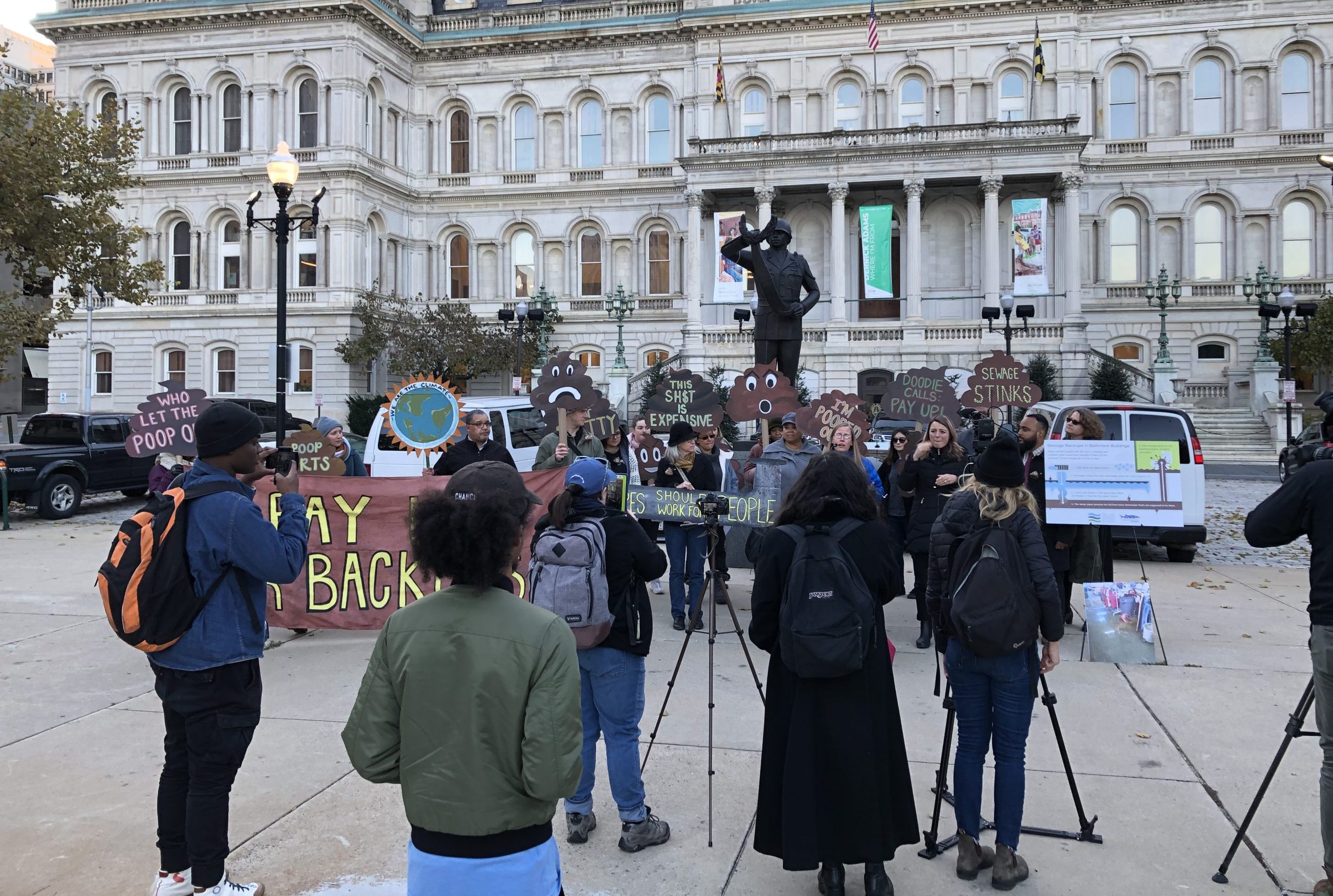
Blue Water Baltimore is in the statehouse and city hall to lobby for laws that protect people and waterways.
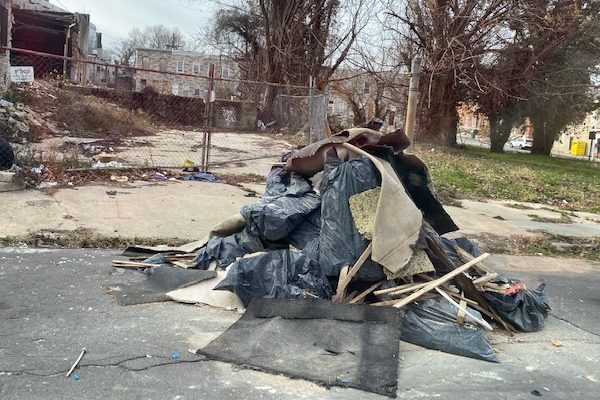
Report dumping
Debris in our streams is more than an eyesore. Trash in our waterways can be harmful to our health, the environment, and our local economy.
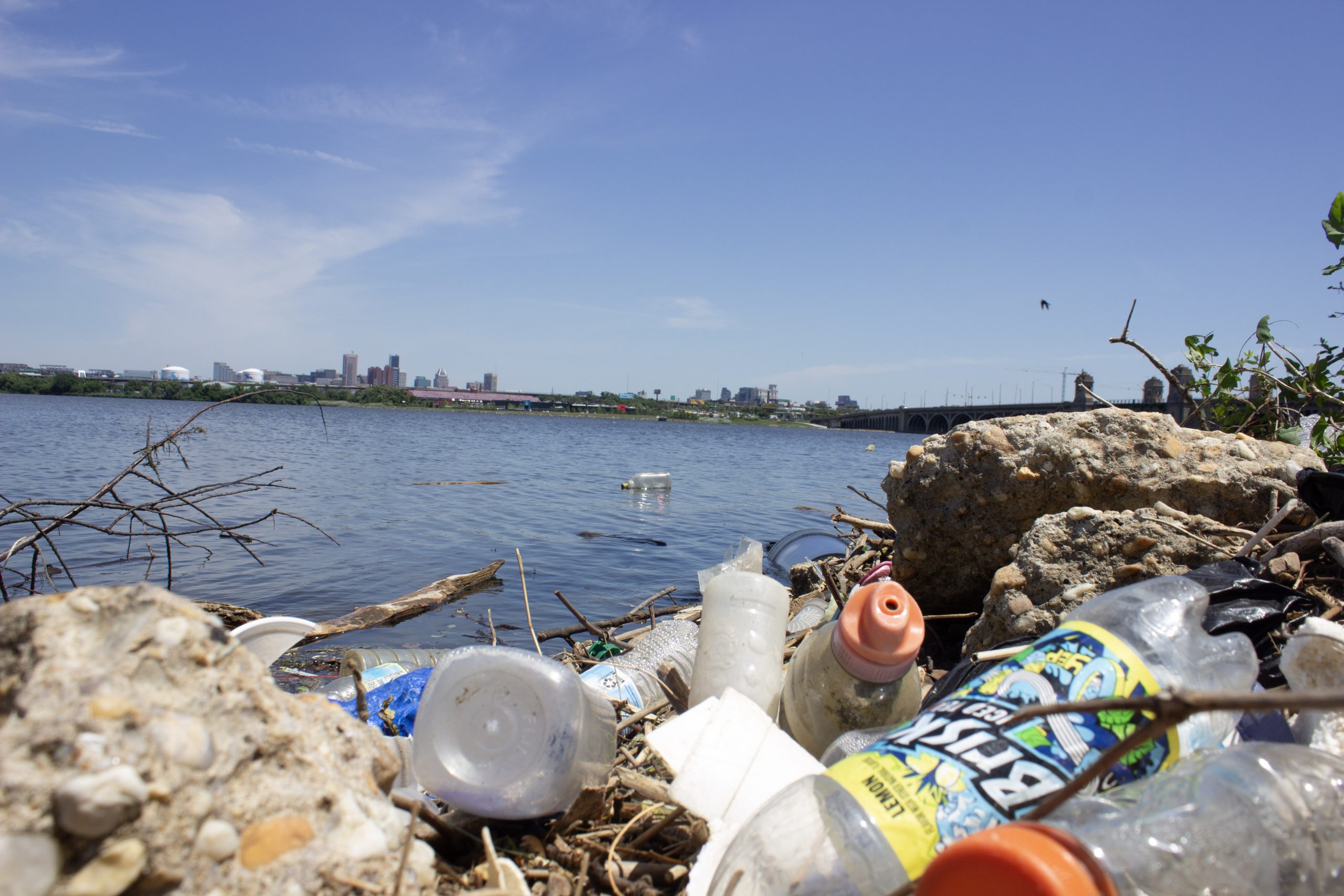
Shoreline cleanups
We organize cleanup events to get rid of the trash on our shores before it makes it into the waterways.
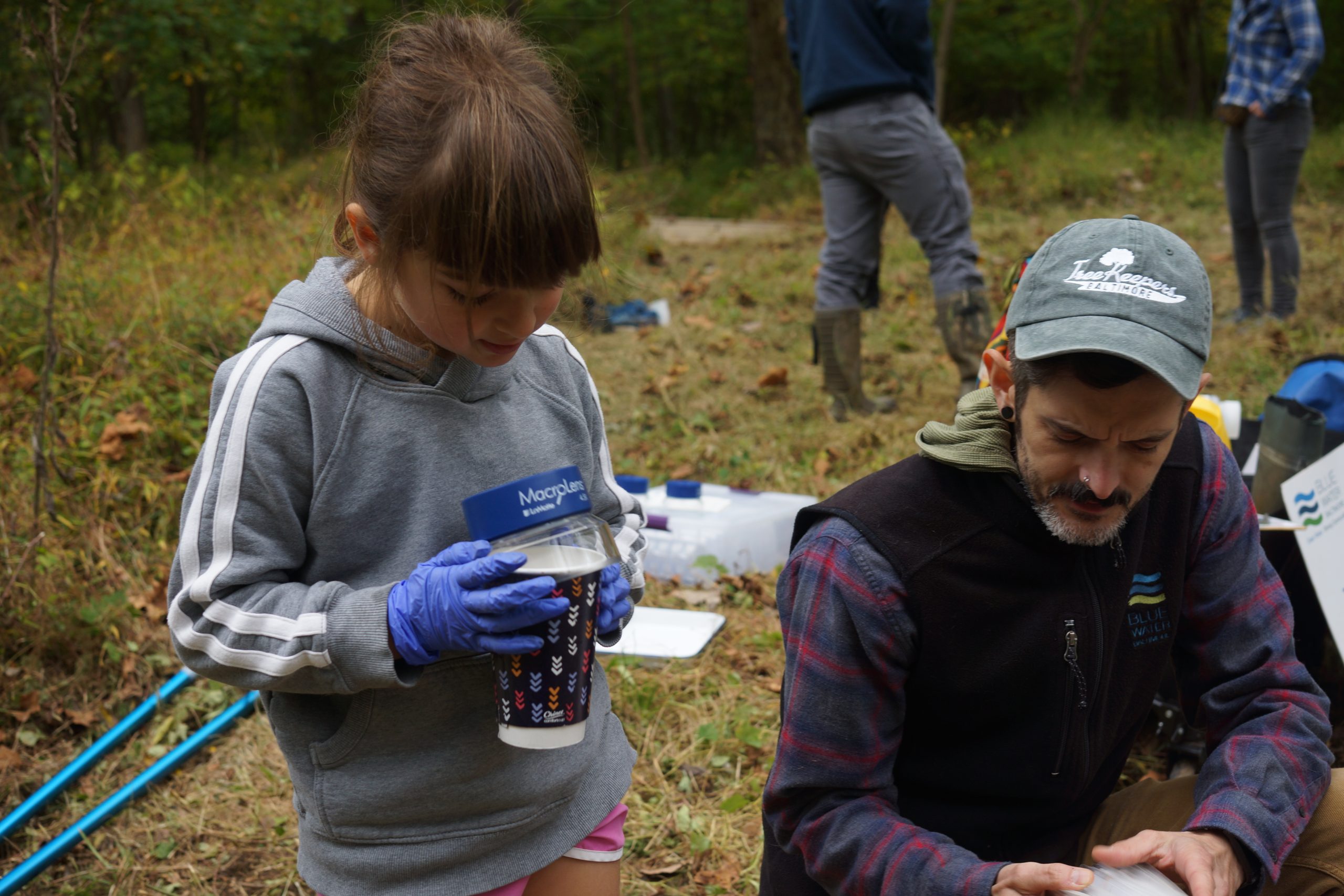
Education
Our education and outreach programs offer all ages a chance to learn about pollution, trash, and things we can all do to help.
Baltimore Harbor Waterkeeper
The Baltimore Harbor Waterkeeper uses science and the law to hold polluters accountable and to ensure that the government is upholding the Clean Water Act.
Our Baltimore Harbor Waterkeeper team focuses on protecting and restoring the tidal and non-tidal waterways that flow into the Baltimore Harbor and the Patapsco River. We advocate for stronger enforcement of our laws for clean water, both locally in the Baltimore area and statewide.
Working hand in hand with our local community we amplify the voice of the people who are directly impacted by the top pollutants plaguing our City: trash, contaminated stormwater runoff, sewage, and toxins.
Meet your Waterkeeper
Alice Volpitta!
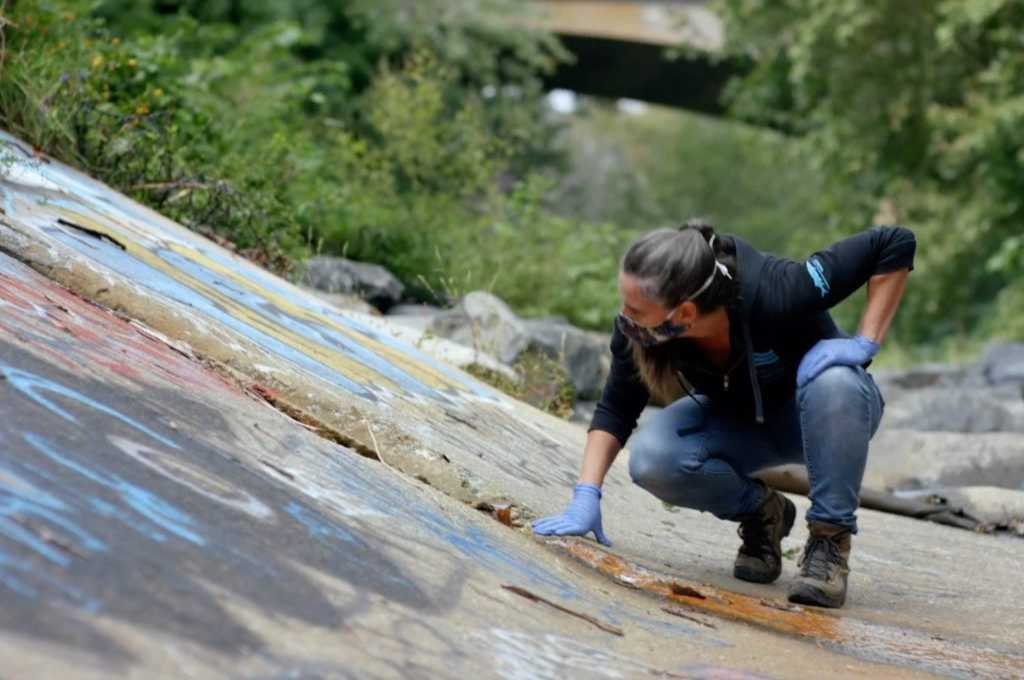
Alice Volpitta has served as Blue Water Baltimore’s lead water quality scientist for nearly six years.
Major Threats to Baltimore’s Waterways
Nutrients
Phosphorous, nitrates, and other nutrients can lead to harmful algae blooms and oxygen-deprived “dead zones” in waterways. These come from pet waste, sewage, and fertilizers washed into waterways by stormwater.

Stormwater
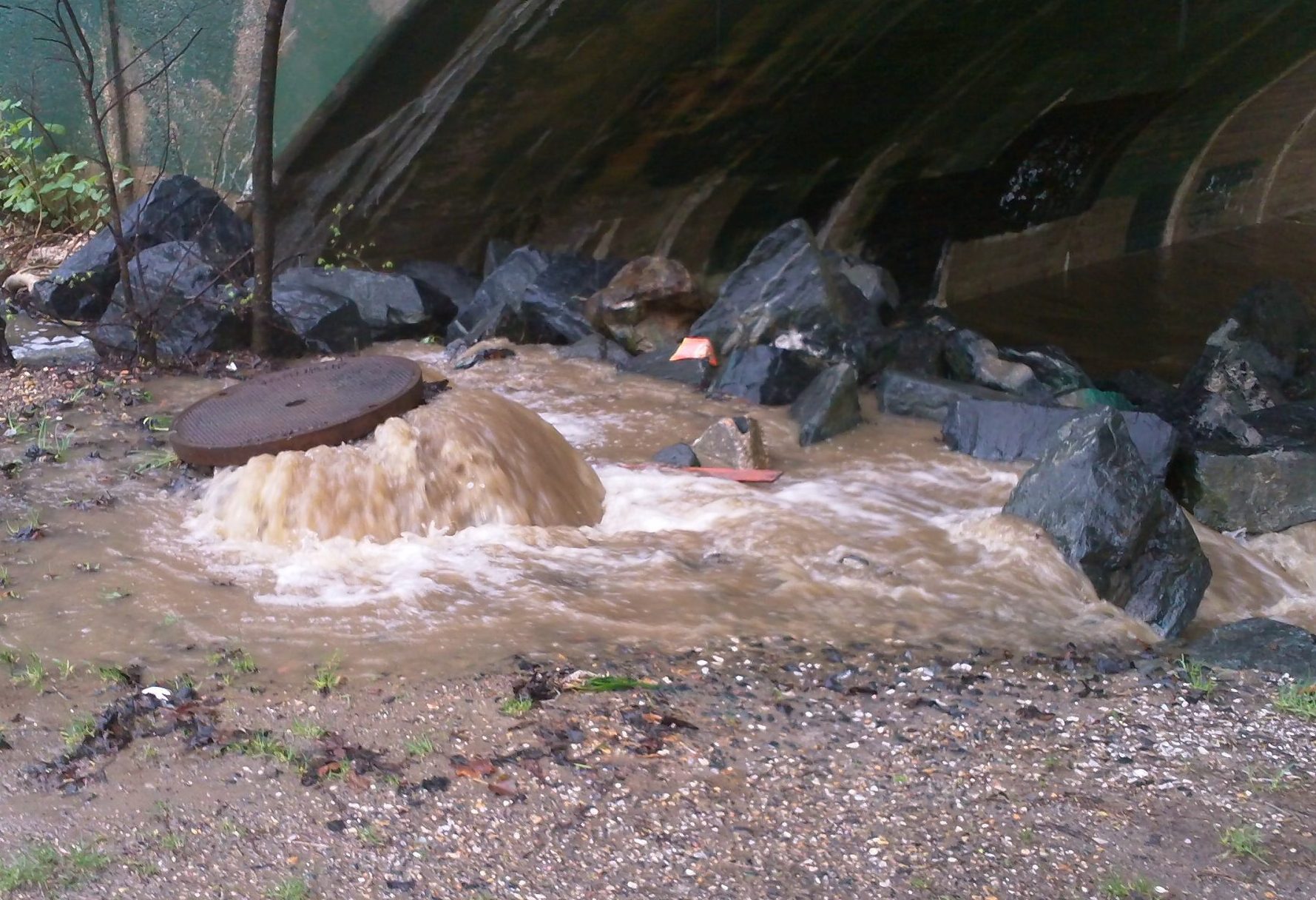
Every time it rains, trash, bacteria, heavy metals, and other pollutants are washed from city streets and roofs into local streams and the harbor.
Sewage
Baltimore’s aging sanitary sewer system causes millions of gallons of raw sewage to enter our waterways each year.
Stay Informed
Join our mailing list to get updated information on water qualities, on opportunities for making impact, and for special invitations to local events.
Volunteer with us
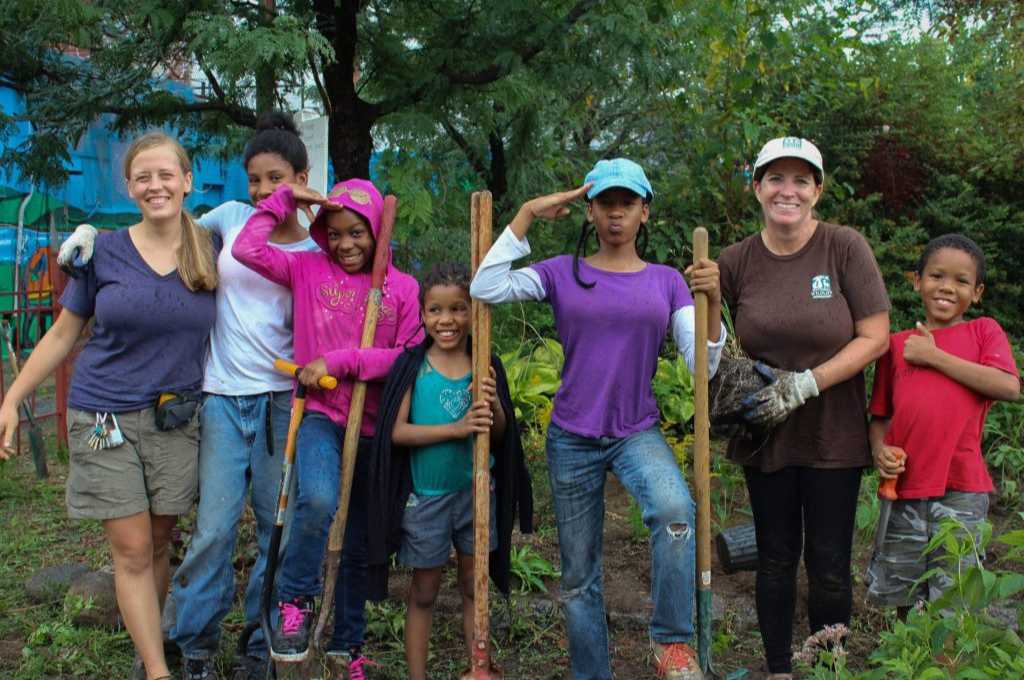
Meet new people, explore Baltimore, and lend a helping hand as a Blue Water Baltimore volunteer to protect and improve our city!
Become a member
A donation of any size makes you a member of Blue Water Baltimore and part of our fight for clean water and strong communities.